


Benefits of Using Secure Padlock
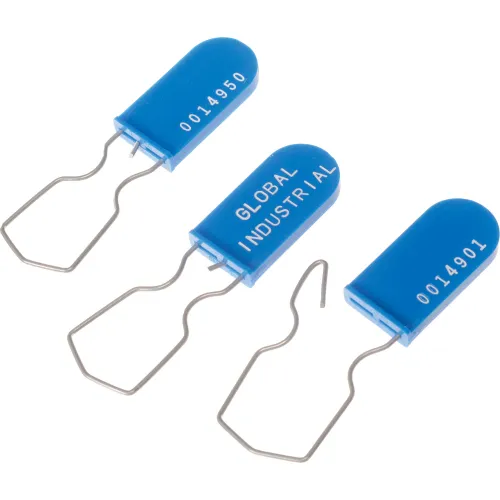
Tamper-evident: Tamper evident secure padlocks are impossible to dismantle by hand without leaving traces of tampering. Besides, using cutting tools to open the security padlock will automatically send alerts.
Robust Built: Padlock security seals are designed with premium-quality plastic and steel, which gives them a robust structure that further supports the unique locking mechanism.
Anti-Counterfeiting: Each tamper evident secure padlock is engraved with laser markings, making it difficult to attempt seal duplicacy.
High Resistance: Secure padlocks are built to work under extreme environmental conditions such as heat, pressure, temperature, etc., which makes them highly reliable.
Customizable: These high security padlocks offer ample space for customization. You can implant QR codes, RFID tags, barcodes, etc., to the seal.
Materials Are Used For Plastic Padlock Seals
Plastic padlock seals are commonly made from a variety of materials to ensure durability, security, and resistance to tampering. The specific materials may vary among manufacturers, but some common components used in the production of plastic padlock seals include:
Polypropylene (PP):
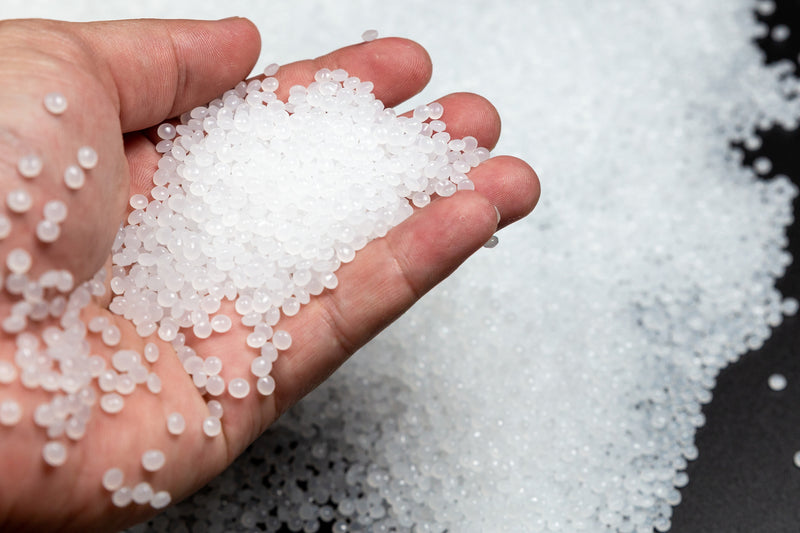
Polypropylene is a thermoplastic polymer widely used for its durability and resistance to chemicals. It is commonly used in the manufacturing of plastic padlock seals due to its strength and ability to withstand various environmental conditions.
High-Density Polyethylene (HDPE):
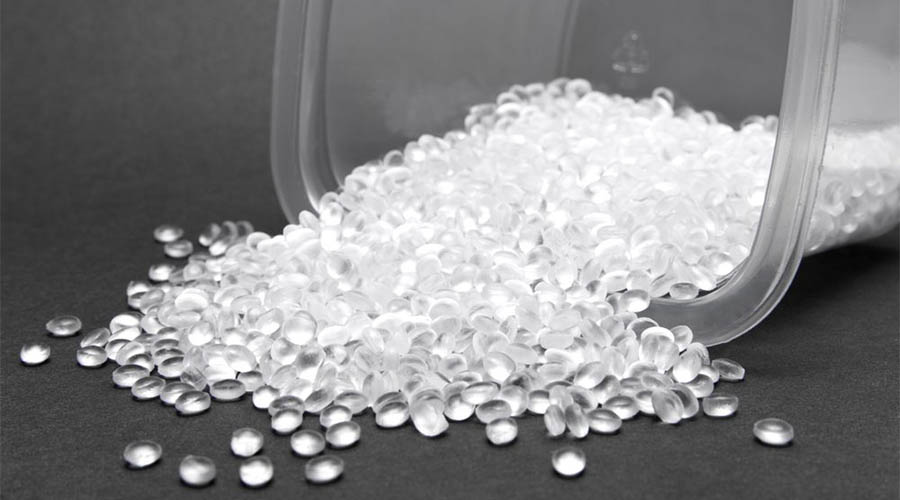
HDPE is another thermoplastic that is known for its strength, rigidity, and resistance to impact. It is often used in the production of plastic seals to enhance their toughness.
Acetal (Polyoxymethylene):

Acetal is a high-performance thermoplastic known for its strength, stiffness, and resistance to wear. It is sometimes used in the construction of plastic padlock seals to provide additional durability.
Nylon:
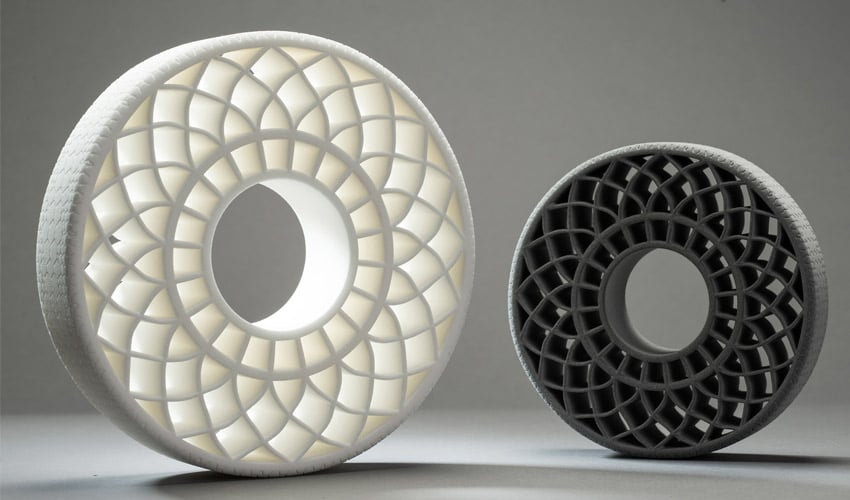
Nylon is a versatile synthetic polymer that offers good strength and durability. It is resistant to abrasion and impact, making it suitable for certain types of plastic padlock seals.
Polycarbonate:
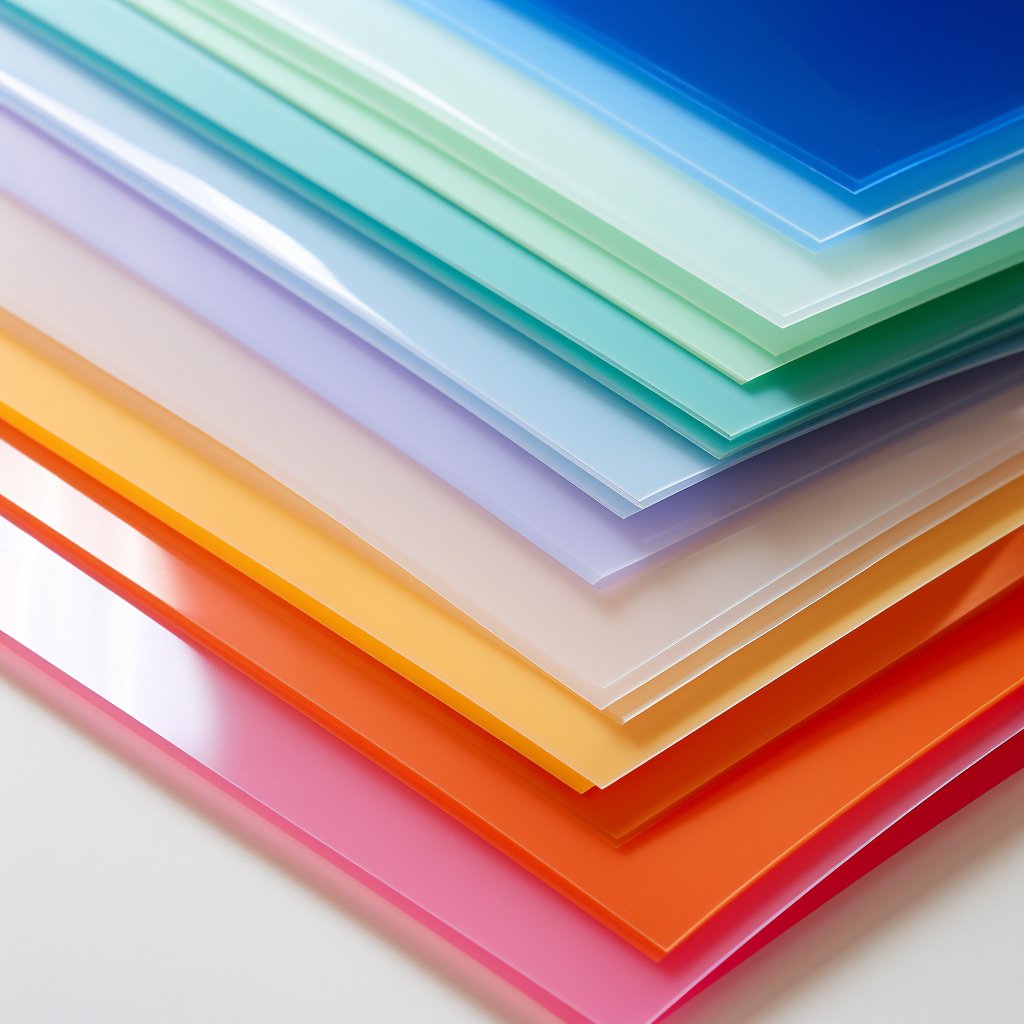
Polycarbonate is a tough and transparent thermoplastic that provides excellent impact resistance. While it may not be as common as other materials, it is occasionally used for specific applications where transparency is desirable.
Stainless Steel or Galvanized Steel:

While the body of plastic padlock seals is primarily made of plastic, the shackle or locking mechanism may be reinforced with stainless steel or galvanized steel for added strength and resistance to cutting.
Barcoding Materials:

Some plastic padlock seals may include barcodes for tracking purposes. The barcode material, typically a printed label or laser-etched material, may vary and can include polyester or other synthetic materials.