


Whether you are transporting valuable goods, food, or medical supplies, it is important to take the necessary precautions to protect your business and your customers. In this blog post, we will explore the different types of security seals, their benefits, and how they can help to prevent theft and tampering.
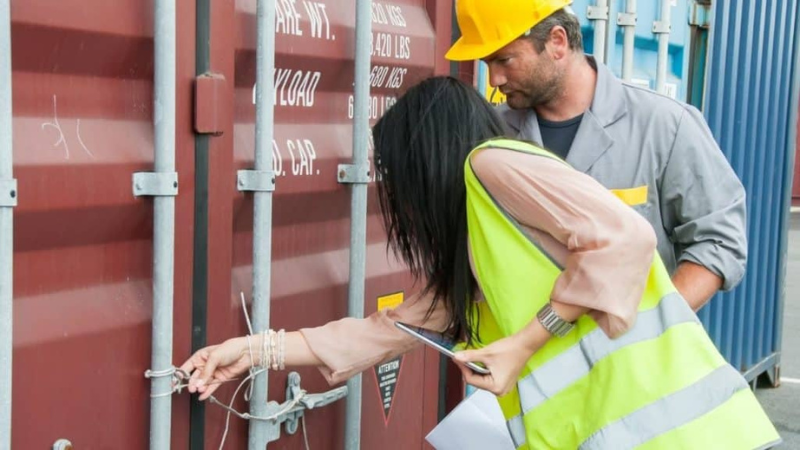
Types of Security Seals
Security seals offer numerous advantages over daily life, making them a popular choice for those seeking safety of goods. The security seals are devided with three different types.
1. Tamper-Evident Seals
Tamper-evident seals are designed to show clear signs of tampering if someone tries to open the container. These seals can come in many different forms, including adhesive labels, cable ties, and plastic seals.
1) Adhesive labels, also known as sticky labels, are small pieces of paper with a layer of adhesive on the front or back that allows them to stick to a surface. They are used in many industries to differentiate products and can be customized to fit different shapes, sizes, and storage conditions.

Here are some things to know about adhesive labels:
Types: Adhesive labels can be permanent or removable. Removable labels are easy to peel off without leaving residue or damaging the surface. Permanent labels are designed to last a long time and form a strong bond with the surface.
Materials: Different types of adhesive labels are suited to different industries. For example, water-based labels are the most common and are ideal for dry storage. Acrylic labels are reusable and ideal for products that will be handled often. Hot melt labels are resistant to moist conditions and are often used for products kept in fridges and freezers.
Temperature range: The temperature range at which an adhesive label can function depends on the type of adhesive and the label stock. For example, most pressure sensitive adhesives can function in a range of -65 °F to 200 °F with a paper label stock.
Application: To apply a self-adhesive label, you can apply pressure to the label to cause the adhesive to penetrate into the surface.
2) Cable ties, Also known as zip ties, cable ties are fasteners that bundle your cables and wires together to keep them organized and prevent damage. They come in different sizes, lengths, materials and even colors. The different uses of cable ties vary across industries, but what they all have in common is that they're the most effective way to manage your cables.

3)Plastic seals are a versatile security seal that provide a tamper-evident solution for theft and interference. They are used across almost every major industry and for a variety of applications such as transport and logistics, emergency exits, fire extinguishers, medicine cabinets and utility meters.
There are the most common plastic seals types:
NO1. Fixed Length Plastic Seals

A fixed length plastic seal is a security device with a predetermined length that prevents unauthorized access or tampering. These seals are often used to seal containers, trailers, trucks, and other cargo holds. They are also used in fire doors and warehouses.
Here are some characteristics of fixed length plastic seals:
Security: Fixed length plastic seals are a high-security option that can be used to indicate if a vehicle has been opened or tampered with.
Breaking strength: Fixed length plastic seals are stronger than other plastic seals. For example, some seals have a breaking strength of up to 135 lbs.
Application: Fixed length plastic seals are available in different strap widths to suit various applications.
Ease of use: Fixed length plastic seals are easy to apply and can be checked for proper attachment.
Tamper evident: Fixed length plastic seals are tamper evident and can be laser etched with sequential numbers.
Single-use: Fixed length plastic seals are single-use and cannot be resealed once applied.
NO2. Pull Up Plastic Seals

Pull up seals are a type of security seal commonly used for tamper-evident purposes. These seals consist of a thin, flexible strip with a unique identification number or barcode. To secure an item, the strip is passed through a closure or fastening point and then pulled tight.
Description: A thin, flexible strip with a unique identifier, such as a barcode or number, that is passed through a closure and pulled tight
Purpose: To prevent unauthorized access to closed objects and to indicate attempts to interfere
Uses: Used in many industries and for a variety of applications, including transport, logistics, emergency exits, fire extinguishers, medicine cabinets, and utility meters
Features: Some seals have additional features, such as unique identifiers or serial numbers, that can be used to verify authenticity
NO3. Padlock Plastic Seal
Plastic padlock seals are security seals that are used to prevent tampering and theft. They are made of plastic and often have a metal wire or hasp, and are used to seal a variety of items, including: containers, truck trailers, cargo holds, key cabinets, airline trolleys, and first aid kits.
Here are some characteristics of plastic padlock seals:
Material: They are typically made of high-density polypropylene
Tamper-evident: They are designed to show if they have been tampered with
Easy to use: They are often easy to apply and remove, sometimes with one hand
One-time use: They are typically designed to be used once, so you can tell if your property has been tampered with
Numbering: Some plastic padlock seals have numbers or other markings for security and inventory purposes
Removable: Some plastic padlock seals can be removed with wire cutters
NO4. Plastic Twist Meter Seal

Twist meter seals are tamper-evident seals used to prevent theft of power resources from electric, gas, and water meters. They are designed to be single-use and are destroyed when removed. Twist meter seals are made of transparent polycarbonate and have a locking mechanism that is visible through the seal.
Here are some features of twist meter seals:
Tamper-evident: The transparent body of the seal allows you to see the locking mechanism, which provides a clear indication of tampering.
Single-use: Twist meter seals are designed to be destroyed when removed.
Unique numbering: Each seal is printed with a unique number that allows for easy registration and makes it more difficult to commit fraud.
Weather resistant: Twist meter seals can withstand exposure to sunlight, extreme weather, and a wide range of temperatures.
Easy to apply: Some twist meter seals are easy to apply manually.
Alternatives to lead seals: Twist meter seals are a safe alternative to traditional lead seals.
2. High-Security Seals
High-security seals are designed to provide the highest level of protection against theft and tampering. These seals are typically used for the transportation of high-value goods, such as precious metals, and are made from heavy-duty materials that are difficult to break or tamper with.

3. Cable Seals
Cable seals are a type of tamper-evident security seal that are used to secure containers, trucks, and trailers. These seals are made from a metal cable that is looped through a locking mechanism, making it difficult to tamper with the shipment.
Benefits of Using Security Seals
1. Prevent Theft
Theft is a major concern in the logistics industry, and security seals can help to prevent theft by making it difficult for thieves to tamper with a shipment.
2. Maintain the Integrity of the Shipment
Security seals help to maintain the integrity of a shipment by ensuring that it remains unopened and undamaged during transportation. This helps to ensure that the goods reach their destination in the same condition they were in when they were shipped.
3. Meet Compliance Requirements
In some industries, such as the pharmaceutical industry, security seals are required by law to be used in order to meet compliance requirements.
4. Provide Peace of Mind
By using security seals, you can have peace of mind knowing that your shipment is protected against theft and tampering during transportation.
In conclusion, security seals are a crucial component of the logistics industry, helping to ensure the safety and integrity of shipments during transportation. Whether you are transporting valuable goods, food, or medical supplies, security seals provide a simple and effective solution to prevent theft and maintain the integrity of your shipment.
This knowledge has hopefully provided you with a better understanding of the different types of security seals, including cable seals, and their benefits, as well as the importance of using them in the logistics industry. By implementing security seals into your logistics operations, you can protect your business and customers, and provide peace of mind during the transportation process.